50% off with code: ZEN50 (Min. $150 Cart) Ends October 31
Free shipping on all orders
30 day satisfaction guarantee

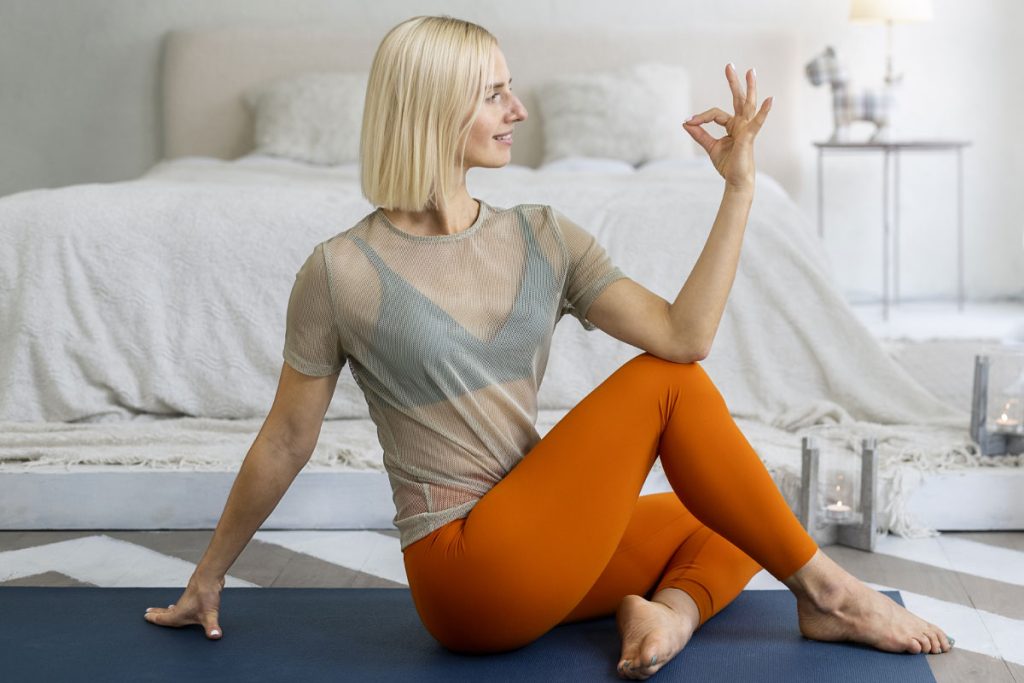
As the Canadian winter of 2026 tightens its grip, with blizzards blanketing Toronto’s skyline and icy winds whistling through Vancouver’s coastal paths, many residents shift their wellness routines indoors. The cold season, marked by short days and limited sunlight, often leads to reduced physical activity, heightened stress, and a dip in overall well-being. According to Statistics Canada, nearly 40% of Canadians report decreased exercise during winter, contributing to issues like joint stiffness, mood fluctuations, and muscle tension. In this context, indoor practices like yoga and stretching become essential for maintaining flexibility, strength, and mental clarity. Adding cannabidiol (CBD) to these routines can elevate the experience, offering natural support for relaxation and recovery without the psychoactive effects of THC.
CBD, derived from hemp and legal in Canada since the 2018 Cannabis Act (with THC below 0.3%), interacts with the body’s endocannabinoid system (ECS) to promote balance. For indoor wellness, where space is limited and consistency is key, CBD’s ability to reduce inflammation and enhance focus makes it a valuable ally. This article explores how CBD enhances indoor yoga and stretching, highlights key benefits for a Canadian audience, and provides insights into integration. Whether you’re unrolling your mat in a cozy Montreal apartment or stretching in a Calgary basement, CBD could transform your winter practices into a sanctuary of calm and vitality. For more on winter wellness in Canada, see the Canadian Mental Health Association’s resources on seasonal affective disorder.
Cannabidiol, or CBD, is one of over 100 cannabinoids found in the cannabis plant, but it’s primarily extracted from hemp to ensure it’s non-intoxicating. In Canada, Health Canada regulates CBD products under the Cannabis Act, guaranteeing safety and quality standards. Unlike full-spectrum CBD, which includes trace terpenes and cannabinoids for an “entourage effect,” CBD can be used in isolate form for pure, targeted benefits. The ECS, a complex network of receptors (CB1 and CB2) throughout the body, helps regulate pain, inflammation, stress, and mood—factors that can hinder indoor yoga and stretching sessions during winter’s confinement.
During the cold months, reduced outdoor time and dry indoor air from heating systesms can lead to muscle tightness and joint discomfort, making poses like downward dog or forward folds feel strained. CBD supports the ECS by enhancing natural endocannabinoid production, promoting relaxation and reducing perceived effort in practices. Research from the University of Toronto indicates CBD’s potential to influence serotonin receptors, fostering a sense of calm that deepens mindfulness in yoga. For Canadians, where winter isolation can amplify stress (with SAD affecting up to 15% of the population), CBD’s gentle action helps create a mental space for presence and flow.
CBD’s versatility allows it to be incorporated into wellness routines through tinctures taken before practice or topicals applied to sore areas post-session. Unlike caffeine that might jitter the body or alcohol that dulls awareness, CBD provides subtle support, aligning with yoga’s emphasis on harmony. As Health Canada continues consultations on non-prescription CBD, its role in wellness grows, offering Canadians a plant-based tool to enrich indoor practices amid the external chill.
The science behind CBD’s enhancement of indoor wellness lies in its multifaceted effects on the body and mind, particularly relevant during Canada’s prolonged winters. The ECS modulates the inflammatory response, which spikes in cold weather due to vasoconstriction and reduced circulation, leading to joint stiffness. CBD inhibits pro-inflammatory cytokines like TNF-alpha, as shown in a 2025 study in the Journal of Inflammation Research, potentially easing the discomfort that makes stretching painful.
For yoga, where breathwork and poses require focus, CBD influences GABA receptors to reduce anxiety, promoting a meditative state. A review in Neuropsychopharmacology noted CBD lowering subjective stress by 20-30%, allowing practitioners to hold poses longer without mental distraction. In winter, when vitamin D deficiency impairs muscle function (affecting up to 40% of Canadians), CBD’s anti-oxidative properties protect cells from oxidative stress, supporting recovery between sessions. Human trials, like one in the European Journal of Pain, demonstrate CBD reducing muscle soreness post-exercise, crucial for consistent indoor routines.
CBD also enhances neuroplasticity by boosting brain-derived neurotrophic factor (BDNF), fostering the mind-body connection central to yoga. For stretching, CBD’s analgesic effects desensitize pain receptors (TRPV1), making deep stretches more accessible without strain. In Canada’s variable climates—from humid Maritimes to arid interiors—this science-backed support adapts, helping maintain flexibility despite limited outdoor movement. While evidence is promising, with a 2024 meta-analysis in Pain Medicine showing CBD’s efficacy for chronic pain, more yoga-specific studies are needed. Nonetheless, for Canadians facing cabin fever, CBD’s role in wellness is a natural fit.

CBD provides targeted advantages for enhancing indoor yoga and stretching during Canadian winters, from reducing inflammation to improving focus. Here are the primary benefits:
These benefits make CBD a powerful enhancer for winter indoor wellness.
In Canada’s diverse winters, CBD adapts to indoor routines. For yoga enthusiasts in Edmonton, pre-practice tinctures reduce anxiety, making sun salutations feel invigorating despite gloom. In rural Quebec, where space is ample for stretching, topicals ease knee stiffness from sedentary days. Urban Ottawans use CBD capsules post-session for recovery, countering desk job tension.
Pair CBD with breathwork to amplify calm, or stretching sequences for mobility. In coastal Halifax, where damp cold irritates joints, CBD oils soothe during restorative yoga. For families in Winnipeg, kid-safe practices benefit from CBD’s non-sedative relaxation. Overall, CBD’s versatility supports consistency, turning winter confinement into opportunity for growth.
Quality matters; opt for third-party tested items compliant with Health Canada. Zen Leafs offers premium CBD edibles & tinctures, crafted for relaxation and recovery, ensuring purity for wellness routines.
CBD is generally safe, with mild side effects like dry mouth. Health Canada regulates under the Cannabis Act; consult doctors for interactions. Avoid if pregnant. Start low to assess tolerance.

CBD enhances indoor yoga and stretching for Canadians, from reducing stiffness to deepening focus. Its benefits transform winter routines into sources of strength.
Shop online Zen Leafs for Canada’s best CBD gummies.

 and then